
The Rise of Financial Freedom: Tools Empowering a New Generation of Digital Natives

Steve McFadden
January 28, 2026
CONTENTS
A Generation Redefining Money
For digital natives, financial freedom means more than saving or investing—it means flexibility, control, and the ability to operate globally without friction. Growing up in a world shaped by smartphones, instant communication, and borderless digital services has fundamentally changed expectations around money. This generation values speed, transparency, and independence, and they are increasingly turning to innovative financial tools that align with these priorities. The result is a broader market shift toward user-centric finance powered by technology.
Financial Tools Built for Digital Lifestyles
Digital natives often work remotely, shop online, travel frequently, and manage multiple income streams. Traditional financial systems were not designed for this reality. In response, fintech and Web3 innovation have introduced tools that prioritize accessibility and real-time functionality.
One of the most practical developments is the rise of Crypto Cards. These cards allow users to spend cryptocurrencies in real life—whether shopping online, paying at a physical point-of-sale, or withdrawing cash from ATMs. Instead of converting crypto through complex processes, users can simply top up a card and pay like they would with any other digital wallet.
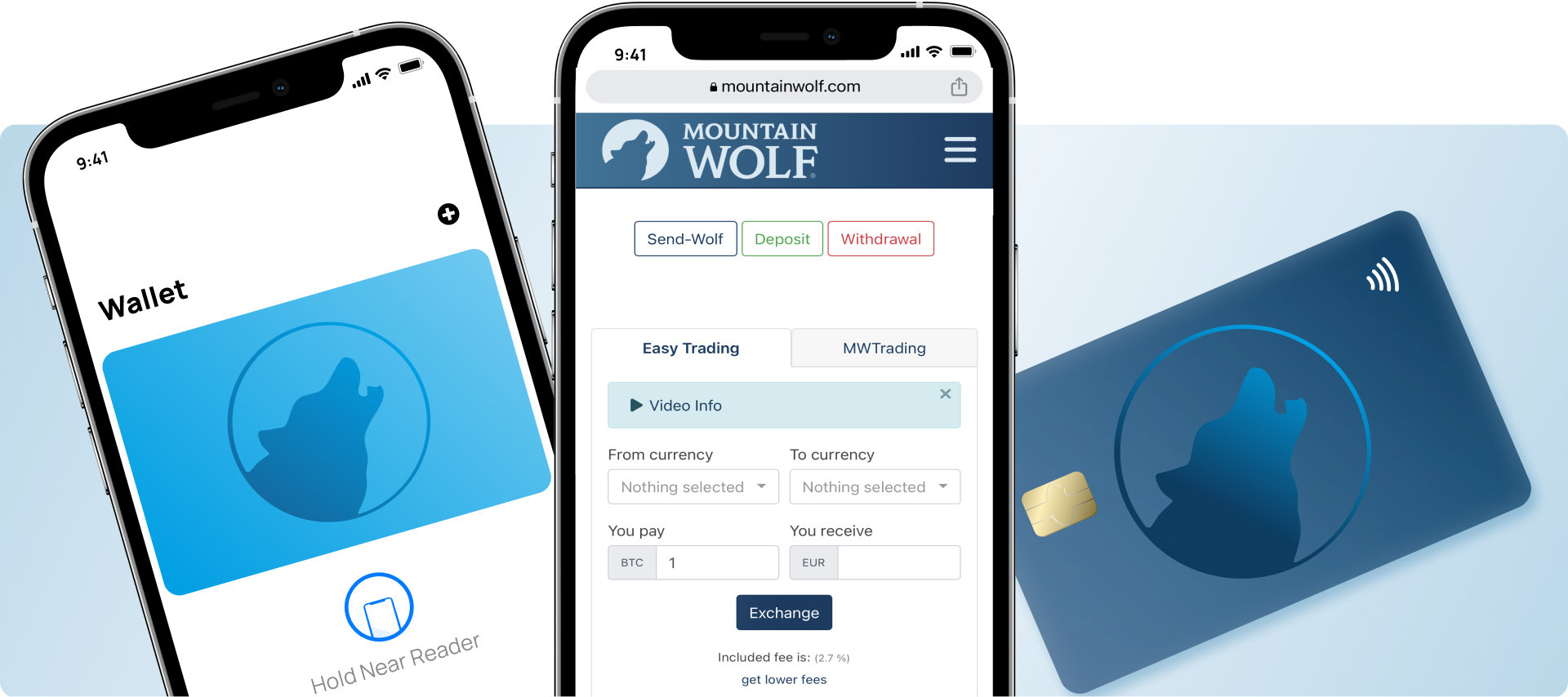
Mountain Wolf, a European payment provider, offers a Crypto Card designed for this new generation. After verification, the card is instantly ready to use, compatible with Apple Pay and Google Pay, and can be topped up in real time from any crypto wallet. This bridges digital assets and everyday spending, turning Web3 ownership into practical financial freedom.
More Than Crypto: The Broader Shift Toward Autonomy
Financial empowerment for digital natives is not limited to crypto or alternative payment methods. Many of the tools shaping this movement focus on clarity and control. Budgeting platforms provide real-time insights into spending habits. Digital wallets consolidate payments, subscriptions, and notifications into one interface. Automated savings features and instant transfers help users stay agile without micromanaging their finances.
These solutions reduce reliance on physical infrastructure and legacy processes. For many users, financial freedom simply means being able to manage money independently—without waiting days for transfers or navigating outdated systems. This broader ecosystem demonstrates that innovation is about removing friction, not adding complexity.
Web3 and the Future of Personal Finance
Web3 plays a growing role in how digital natives think about ownership and value. Decentralized technologies offer alternatives to traditional intermediaries, enabling users to store assets, transfer funds globally, and engage in new digital economies. While not every user actively participates in Web3, its influence is shaping expectations around transparency, accessibility, and control.
Platforms like Mountain Wolf show how Web3 can be integrated into familiar financial tools without disrupting usability. Crypto Cards are one example of how advanced infrastructure can operate quietly in the background while delivering real-world benefits. This balance between innovation and simplicity is key to adoption among mainstream users.
A New Definition of Financial Freedom
For digital natives, financial freedom is no longer about wealth alone—it’s about choice. The ability to earn, save, and spend money on their own terms defines this new era. As fintech and Web3 innovation continue to evolve, the tools empowering this generation will become more seamless, more global, and more intuitive.
The rise of financial freedom is already underway. With the right tools, digital natives are building a financial system that reflects how they live—connected, mobile, and independent.
More posts
Online Business Ideas: 12 Practical Options for 2026
Online business ideas worth testing include freelance services, digital products, teaching, ecommerce and niche software. Choose a model based on…
Risk Management Plan: Steps, Template and Example
A risk management plan explains how a business identifies, assesses, responds to and monitors risks. It assigns owners and turns…
Enterprise Risk Management: Framework and Examples
Enterprise risk management (ERM) is a company-wide approach to identifying, assessing and responding to risks that may affect its objectives.…
How to Value a Business: Methods and Examples
To value a business, choose a valuation date, review reliable financial records and compare earnings, cash flow and asset methods.…
Cyber Insurance for Small Business: Coverage Guide
Cyber insurance for small business helps cover certain costs after cyber incidents, subject to policy terms, limits and exclusions. Owners…
LLC Operating Agreement: What to Include and Why
An LLC operating agreement sets out the ownership, management and internal rules of a limited liability company. The requirements vary…